The integration of decorative hardscapes into landscape design has become a vital aspect for homeowners and businesses alike. Unlike softscapes, which focus on planting and greenery, hardscaping refers to the non-plant elements of landscaping. This includes materials such as stone, concrete, and wood that shape outdoor spaces. The right hardscape features not only enhance the aesthetic appeal of a property but also serve functional purposes, creating outdoor living spaces that can be enjoyed year-round.
Understanding Hardscaping
Hardscaping encompasses various materials and methods used in outdoor spaces. It can include pathways, patios, retaining walls, decks, and even water features. This diversity allows for creativity and personalization in design. For instance, a well-designed patio can act as an extension of the home, providing a comfortable area for relaxation or entertainment.
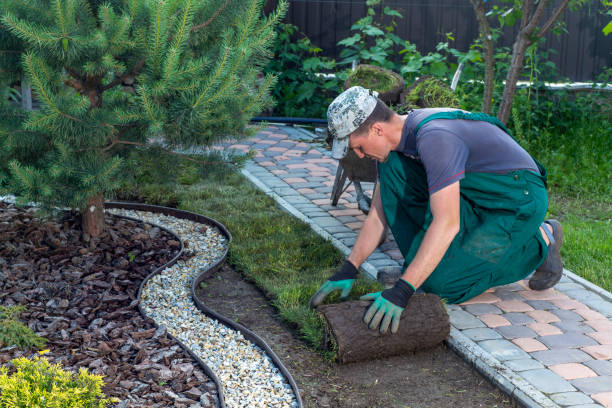
In residential settings, decorative hardscapes contribute significantly to curb appeal. A meticulously designed pathway leading to a front door or an inviting patio in the backyard can make a lasting impression on visitors. On the commercial side, decorative hardscapes are often employed to create attractive environments that enhance customer experiences and promote business.
Key Components of Decorative Hardscapes
Several key elements define decorative hardscaping:
Materials: Stone and concrete are popular choices due to their durability and versatility. Natural stones like flagstone or slate offer unique aesthetics while concrete can be molded into various shapes and finishes.
Design: Custom designs allow homeowners to reflect their personal style. Whether it’s geometric patterns for modern aesthetics or rustic finishes for traditional looks, the design aspect plays a critical role.
Functionality: Beyond beauty, hardscape elements must serve practical purposes. Walkways should guide guests safely across properties while patios provide usable spaces for gatherings.
Integration with Softscape: Decorative hardscapes should complement surrounding greenery rather than compete with it. Thoughtful integration creates a balanced landscape that feels harmonious.
Maintenance Considerations: Different materials come with varying maintenance needs, influencing long-term planning and budgeting.
Benefits of Decorative Hardscapes
The advantages of incorporating decorative hardscapes into landscape design extend beyond mere aesthetics; they also enhance usability and sustainability.
Enhancing Outdoor Living Spaces
Homeowners increasingly seek to maximize their outdoor areas as extensions of their living spaces. Patios built with quality materials give families a place to gather for meals or social events outside. Features such as fire pits or outdoor kitchens further elevate these spaces by encouraging year-round use.
Moreover, walkways constructed with pavers or natural stone not only guide visitors through gardens but also reduce erosion around planted areas by stabilizing soil structure.
Increasing Property Value
Investments in quality hardscaping often yield significant returns when it comes time to sell a property. Curb appeal is crucial in real estate; homes featuring well-designed patios or striking retaining walls tend to attract buyers more readily than those without such enhancements.
Statistics suggest that landscaping improvements can increase property value by 10 percent or more—hardscaping being an essential component of these upgrades.
Sustainability Considerations
In today's environmentally conscious landscape design world, sustainable practices are becoming increasingly important. Integrating permeable paving stones allows rainwater to seep through rather than run off into storm drains, reducing flooding risks while replenishing groundwater supplies.
Additionally, using locally sourced materials minimizes transportation emissions and supports local economies—a win-win scenario for both nature and community sustainability efforts.
Choosing the Right Hardscape Design
Selecting the appropriate hardscape design requires careful consideration of several factors:
- Site Conditions: Assessing drainage patterns, soil type, and existing vegetation is crucial before deciding on specific materials or designs. Architectural Style: The chosen hardscape should reflect the architectural style of neighboring structures—modern homes may benefit from sleek concrete designs while classic homes might require traditional brickwork. Purpose: Understanding how each area will be used informs decisions about layout and material selection—whether it's creating intimate seating areas or expansive entertaining zones.
Collaborating with Professionals
Engaging professional landscapers ensures that designs are not only aesthetically pleasing but also structurally sound. Experienced designers bring knowledge about zoning laws, drainage solutions, and installation techniques that help avoid costly mistakes down the line.
Custom hardscaping projects often benefit from professional insight regarding material selection based on Extra resources climate considerations—certain stones may weather better in specific regions compared to others.
Installation Process
The installation process varies based on project complexity but generally unfolds in several stages:
Planning: Initial consultations focus on understanding client preferences before drafting designs suitable for both functionality and beauty.
Preparation: Site preparation involves clearing debris and leveling ground where necessary—this step is crucial for ensuring stability over time.
Foundation Work: For features like patios or retaining walls requiring deeper foundations—excavation occurs followed by laying gravel bases that facilitate drainage.
Material Placement: Actual placement begins next; whether pavers are carefully aligned into patterns or stones are set into mortar beds—the artistry shines through during this phase.
Finishing Touches: Final steps include grouting joints between pavers (if applicable) as well as adding complementary plantings that soften edges around hardscape elements.
Maintenance Tips for Decorative Hardscapes
To ensure longevity in decorative hardscape installations, proper maintenance is essential:
- Regularly check for cracks in concrete surfaces; repairing minor issues early prevents larger problems later on. Clean pathways periodically using pressure washing techniques; removing dirt buildup enhances appearance while preventing slippery conditions during wet weather. Sealant application protects porous materials from stains caused by spills or weather effects—it acts as insurance against wear over time.
Taking proactive measures keeps landscapes looking pristine while extending the life expectancy of installations significantly.
Conclusion
Decorative hardscapes play an integral role in landscape design by enhancing both functionality and visual appeal within outdoor spaces. From creating inviting patios to establishing durable pathways—all aspects contribute towards crafting cohesive environments suitable for relaxation or recreation alike.
As more homeowners recognize these benefits—from increased property values to improved sustainability practices—the demand for quality custom hardscaping continues to rise across residential neighborhoods as well as commercial settings.
By understanding key components involved—from selecting appropriate materials through installation processes—individuals can make informed decisions resulting in beautiful yet functional landscapes tailored perfectly according their unique lifestyles!